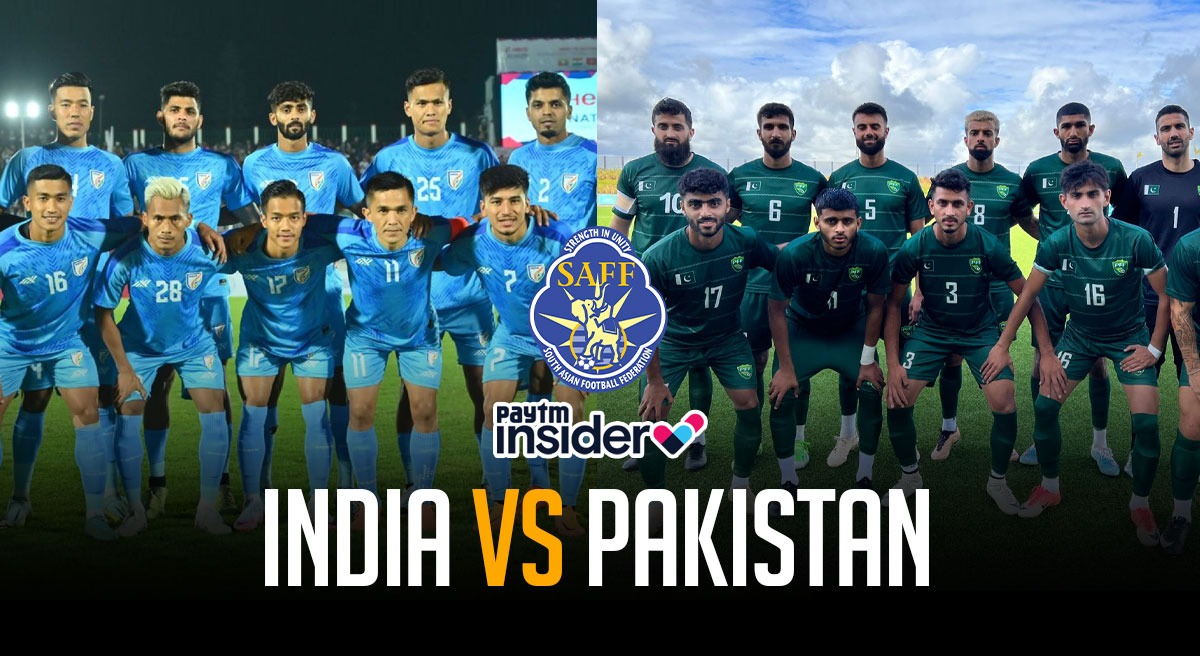
The clash between India and Pakistan in the realm of football is an enduring rivalry that has captivated fans and ignited passionate emotions for decades. The intensity of this sporting confrontation surpasses mere athletic competition, intertwining with historical, political, and cultural dynamics. This article aims to explore the dominant football rivalry between India and Pakistan, shedding light on its origins, key moments, and the impact it has had on the subcontinent's sporting landscape.
Origins and Historical Significance:
The origins of the India-Pakistan football rivalry can be traced back to the partition of British India in 1947, which led to the formation of two separate nations: India and Pakistan. This partition not only divided the geographic territory but also created deep-seated religious, political, and cultural divisions that persist to this day.
Football, as a popular sport in both nations, became a symbolic arena for expressing national pride and identity. The rivalry gained momentum during the early years of independence, as matches between the two nations became a reflection of the broader political tensions and territorial disputes between India and Pakistan.
Key Moments and Iconic Matches:
Over the years, several memorable encounters between India and Pakistan have left an indelible mark on the annals of football history in the subcontinent. One such iconic match took place during the 1951 Asian Games in New Delhi, where India emerged victorious in a thrilling encounter, winning the gold medal. This triumph not only cemented India's dominance in the region but also fueled the rivalry's flames.
Another moment etched in the memory of football aficionados is the thrilling encounter during the 1997 SAFF Championship final. In a hotly contested match, Pakistan emerged triumphant, securing a 1-0 victory over India. The intensity of these matches resonated deeply with fans from both sides, fueling the rivalry's fervor and captivating the imaginations of millions.
Impact on the Sporting Landscape:
The India-Pakistan football rivalry has had a profound impact on the sporting landscape of both nations. Matches between the two teams draw immense attention and generate fervent support, attracting large crowds and garnering significant media coverage. The encounters serve as a platform for nationalistic expressions and bring together diverse communities under the banner of their respective nations.
Additionally, the rivalry has also played a crucial role in fostering talent development and raising the standard of football in the subcontinent. The competition and desire to outdo each other on the field have spurred players from both nations to elevate their game, resulting in an increased level of professionalism and a stronger presence in international football.
Conclusion:
The India-Pakistan football rivalry represents a deeply entrenched and emotionally charged contest that transcends the boundaries of sport. It symbolizes the historical, political, and cultural complexities that define the relationship between these two nations. As the rivalry continues to evolve, it is essential to appreciate its significance while promoting sportsmanship and camaraderie. The clash between India and Pakistan on the football pitch serves as a reminder of the power of sport to unite and ignite passion, and it remains an enduring spectacle for fans across the subcontinent.

Comments
Post a Comment